Part One
The Essay
When people ask me about the best meals I’ve ever had, I rarely begin by describing the food. I remember the conversation first. I remember who was sitting around the table, the laughter that drifted between courses, the warmth of the room, and the feeling that, for a little while, nowhere else in the world mattered. The meal itself was extraordinary, but it became unforgettable because of everything surrounding it.
That said, truly great food has a remarkable way of slowing us down. The first bite of perfectly ripe tomatoes drizzled with olive oil. Butter that still carries the warmth of fresh bread. The delicate sweetness of scallops balanced with citrus. A rich, slow cooked sauce that has spent hours developing depth rather than minutes chasing intensity. Great cooking is rarely about overwhelming the palate. It is about balance, restraint, and allowing every ingredient to be heard.
The more I travel, the more I realise that flavour tells the story of a place. A bowl of ramen in Tokyo, fragrant with a broth perfected over decades. Fresh basil and tomatoes in the Italian countryside that need almost nothing added to them. The delicate spices of Sri Lankan curry, layered one upon another until every mouthful reveals something new. The buttery pastries of Paris, where texture is valued just as highly as taste. Every cuisine reflects the history, climate, and culture that shaped it.
One of the greatest pleasures of learning about food is discovering that taste has its own language. Sweetness offers comfort. Acidity brings brightness and energy. Bitterness adds complexity. Salt enhances rather than dominates. Umami creates depth and satisfaction. The finest chefs understand that memorable dishes are not created by making one flavour louder than the rest, but by allowing each note to support the others in quiet harmony.
Texture is just as important as flavour, although we rarely speak about it. The crispness of perfectly baked pastry against a smooth filling. The delicate crack of caramel giving way to soft custard. The contrast between silky purée and roasted vegetables. A meal becomes engaging when every bite offers something slightly different. Great dining is experienced with the whole body, not simply the tongue.
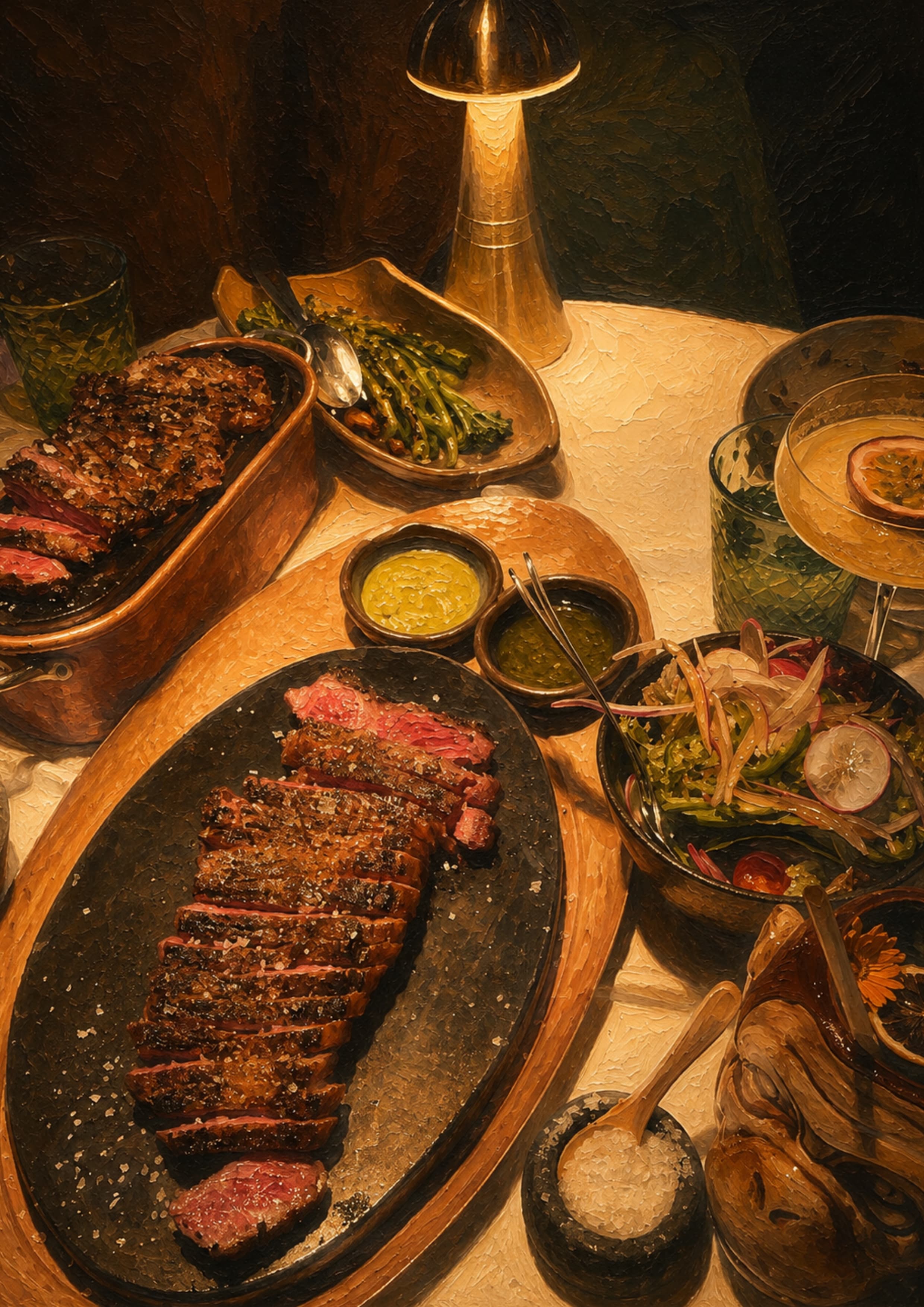
Perhaps this is why the finest restaurants never rush you. They understand that dining is one of life’s last opportunities to be completely present. Courses arrive with patience. Glasses are quietly refilled. Conversation flows naturally between bites. Nobody seems eager for the evening to end because the purpose of the meal is not simply to satisfy hunger. It is to create an experience worth remembering.
I have also come to believe that hospitality completes every great meal. The most beautiful plate can feel strangely empty if it is served without warmth. Meanwhile, a simple dish prepared with care and offered with genuine generosity often stays with us for years. Food nourishes the body, but hospitality nourishes something far more difficult to describe.
In the end, the dinners we remember are rarely defined by a single dish. They become part of us because they capture something larger. The flavours transport us to another culture. The people remind us how fortunate we are to share a table together. The atmosphere encourages us to slow down. Long after we have forgotten the menu, we remember how the evening made us feel. And perhaps that has always been the true purpose of a great meal.