Part One
The Essay
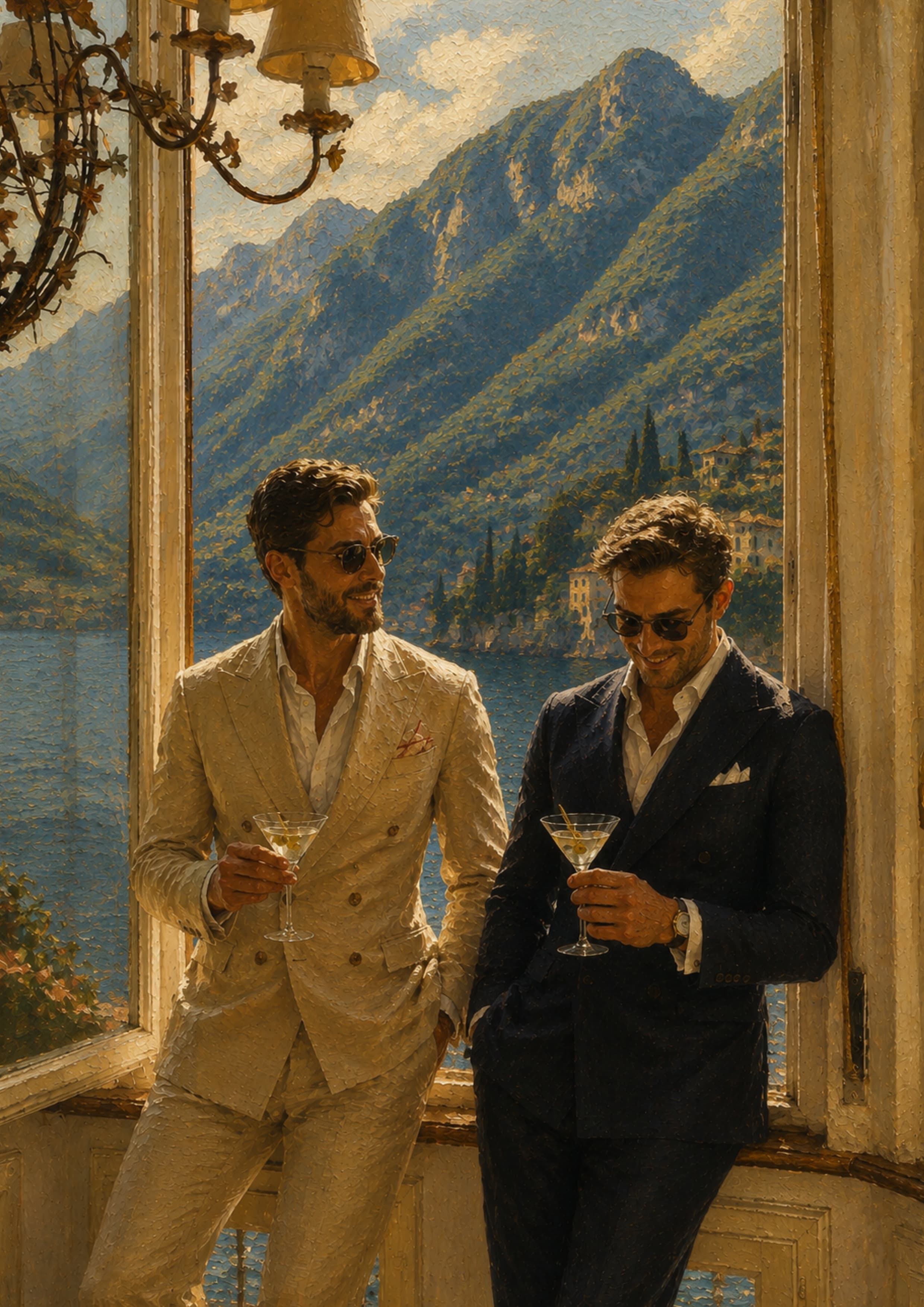
For a long time, luxury was something we were taught to recognise from a distance. A large logo across the chest. A belt buckle everyone could identify. A handbag designed to announce itself before the person carrying it had even spoken. Somewhere along the way, branding became louder than craftsmanship, and recognition became more valuable than appreciation.
But the longer you spend around truly well made things, the more your attention begins to change. You stop looking for names and start noticing materials. The softness of cashmere. The weight of linen. The richness of full grain leather. The texture of brushed wool. These are the details that rarely ask for attention, yet quietly reward the people who take the time to notice them.
There is a certain confidence in wearing something that does not need to explain itself. It suggests that your choices are made for your own satisfaction rather than someone else’s approval. You are no longer dressing to prove that you can afford something. You are dressing because you genuinely appreciate how it feels, how it lasts, and how thoughtfully it was made.
This shift changes the way you shop. Instead of asking which brand is most desirable, you begin asking better questions. How well is this made? Will it age beautifully? How does it feel to wear? Does it fit naturally into the wardrobe I am trying to build? The label becomes one small part of the story rather than the whole story itself.
It also changes the way you experience clothing. A beautifully textured coat on a cold morning. A crisp cotton shirt that becomes softer with every wash. A pair of leather shoes that develop character through years of wear. These are pleasures that cannot be captured by a logo alone. They are experienced quietly, often by the person wearing them rather than the people looking at them.
Perhaps this is why timeless style always feels understated. It trusts that quality will eventually reveal itself. It does not rely on instant recognition because it understands that lasting appreciation is far more valuable than immediate attention. The people who notice these details are often the people whose opinions matter least to impress and most to respect.
There is also something deeply personal about choosing texture over branding. It reflects a shift from external validation towards internal satisfaction. You stop asking whether other people will notice what you are wearing and begin asking whether it feels right to you. That is often the moment style becomes less about fashion and more about character.
In the end, clothing says something long before we introduce ourselves. The question is whether it speaks of confidence or comparison, intention or insecurity. A logo may attract attention for a moment, but texture tells a much richer story. It speaks of patience, discernment, and an appreciation for things that become more beautiful the closer you look.